Teach A Child To Clean Himself
Helping your child learn self-hygiene is one of the most important “life skills” milestones. When you teach a child to clean himself using simple steps, routines, and encouragement, you build independence, confidence, and healthier habits—at home and at school.
Quick Navigation
1) Signs your child is ready 2) Handwashing routine 3) Toilet clean-up routine 4) Bathing & body care 5) Brushing teeth 6) Dressing & laundry basics 7) Common challenges (and fixes) 8) FAQs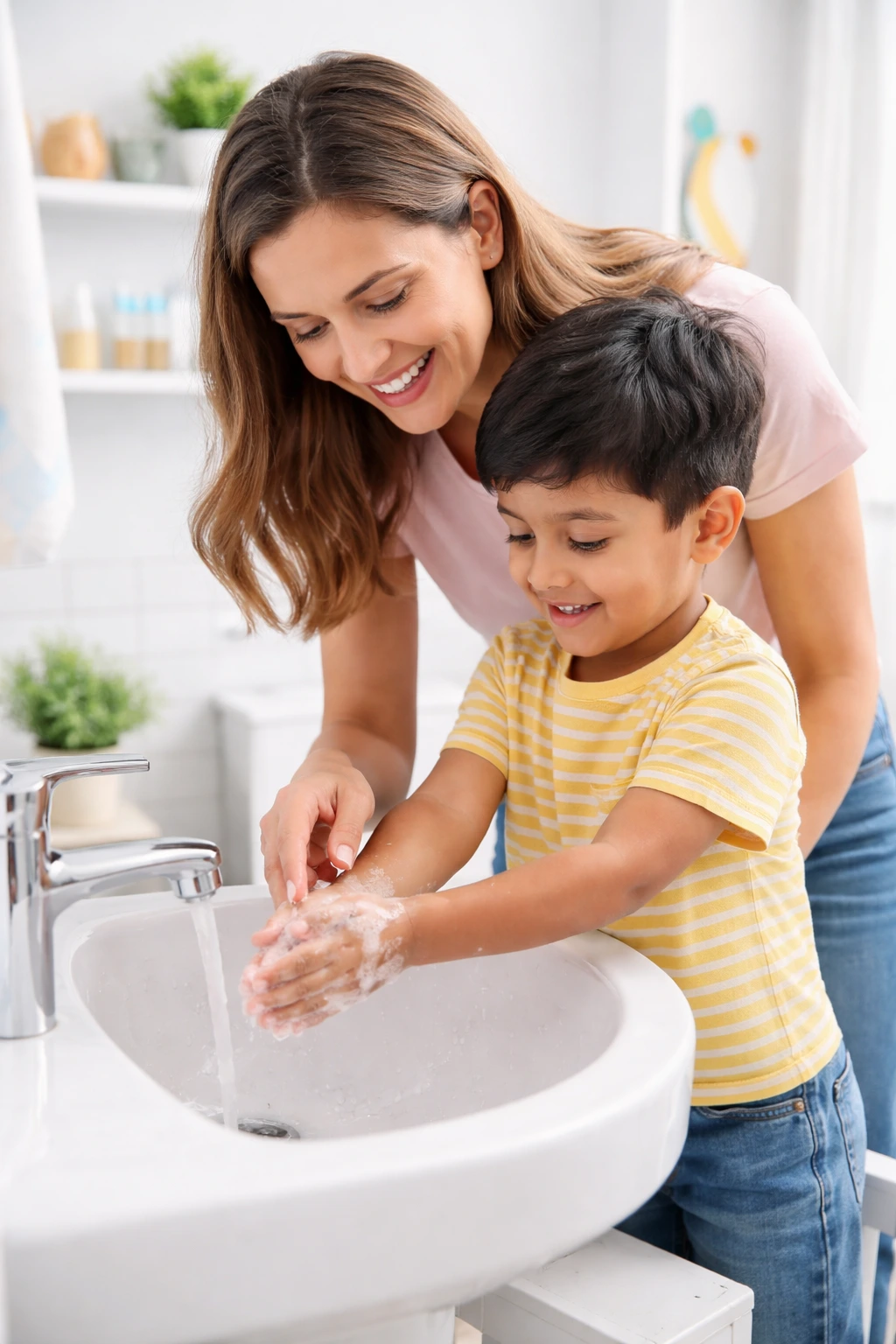
1) Signs Your Child Is Ready for Self-Hygiene
Before you teach a child to clean himself, check for readiness. Many kids can start learning with help, even if they can’t do everything independently yet.
- Can follow 1–2 simple steps (“wash hands,” “wipe,” “pull up pants”).
- Shows interest in doing things “by myself.”
- Can stay calm for short routines (30–90 seconds).
- Has basic motor control (holding tissue, turning taps with help).
2) The Easiest Handwashing Routine to Teach
If you’re starting anywhere, start here. Handwashing is the fastest way to build hygiene independence. Use the same words every time so your child memorizes the sequence.
Parent tip: Demonstrate first, then let your child try. If they miss a step, gently prompt: “What comes next?” That builds independence without pressure.
3) Toilet Clean-Up Routine (Simple + Age-Appropriate)
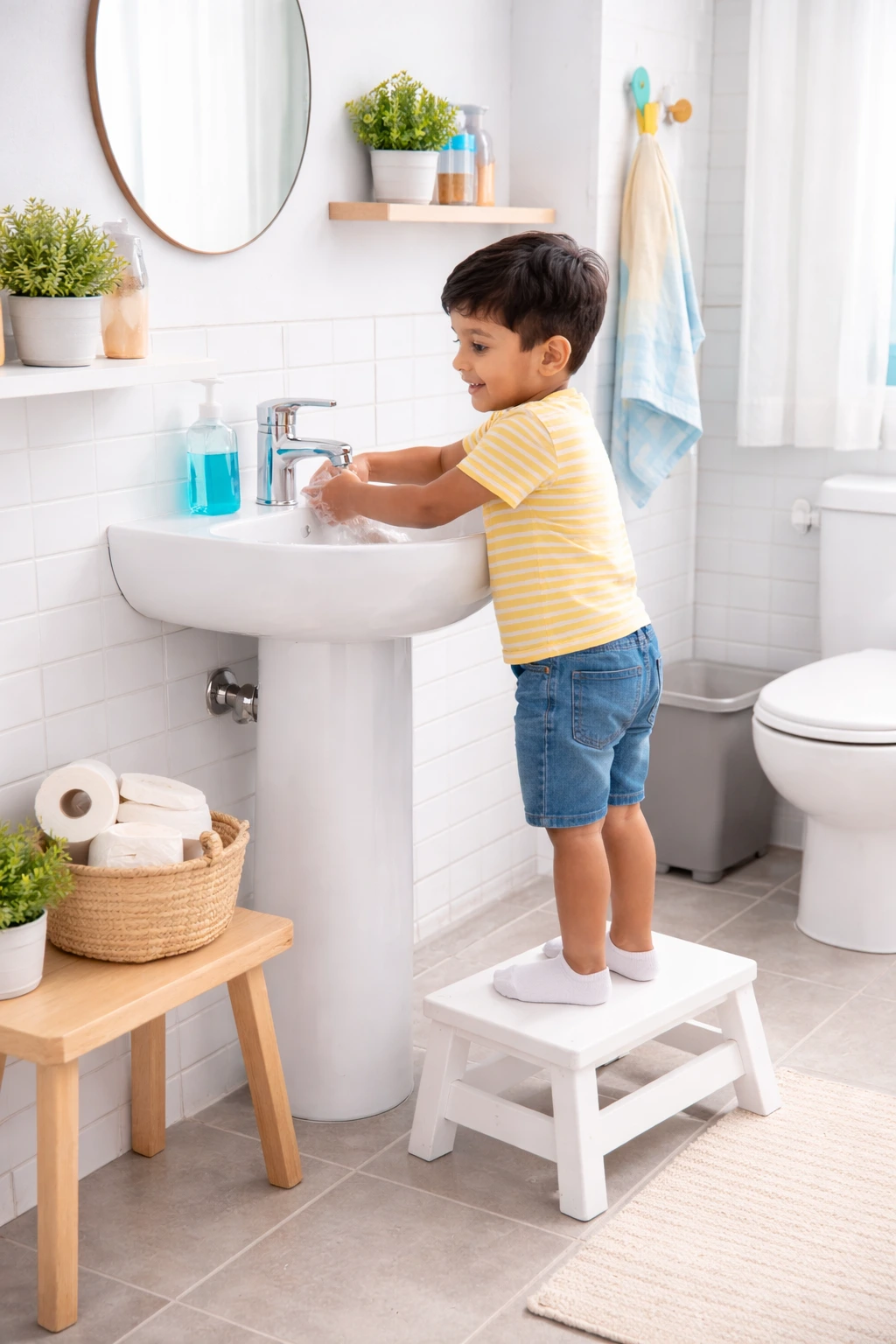
Toilet routines can feel tricky for kids. Keep it calm, private, and step-based. Your goal is safe, appropriate independence—not speed.
A simple 5-step bathroom checklist
4) Bathing & Body Care: Teach One Area at a Time
When you teach a child to clean himself during bath time, avoid teaching everything at once. Rotate focus areas each day so your child feels successful.
A beginner bath sequence (easy to remember)
- Face (gentle wipe)
- Arms (soap + rinse)
- Tummy & back
- Legs & feet
5) Brushing Teeth: A 2-Minute Habit That Sticks
Most preschoolers need help brushing well, even if they can hold a brush. Try “You start, I finish” until they’re ready for more independence.
Simple teeth routine
Make it fun: Use a timer song, a mirror, or a “toothbrushing chart” at home.
6) Dressing Skills That Support Hygiene Independence
Self-hygiene is easier when dressing is easy. Start with clothes your child can manage independently.
- Elastic waist pants/shorts
- Simple underwear that fits well
- Slip-on footwear or Velcro shoes
- Teach “dirty clothes in the basket” as a daily habit
7) Common Challenges (and What to Do)
“My child rushes and doesn’t clean properly.”
Keep the routine slow and consistent. Use the same short checklist and praise effort. You can say: “Let’s do one more careful step.”
“My child refuses hygiene tasks.”
Offer small choices: “Do you want the blue towel or green towel?” “Soap first or water first?” Avoid long lectures—short prompts work better.
“My child gets upset by water/soap textures.”
Start with tiny exposure: a damp cloth first, then a quick rinse, then soap later. Sensory comfort improves with gentle repetition.
Reference: CDC’s 5 steps to wash hands the right way (wet, lather, scrub, rinse, dry) – About Handwashing (CDC)
Building Independence at Time Kids Preschool – Anna Nagar
At Our Preschool in Anna Nagar, we support self-care skills like handwashing and toilet routines through daily practice, so children build confidence and independence.
Address: No. 2731, 7th Cross Street, 12th Main Rd, Y Block, Anna Nagar, Chennai – 600040
FAQs
How long does it take to teach a child to clean himself?
Most children need weeks to months of consistent practice. Progress often comes in small steps: remembering one part of the routine first, then doing more independently over time.
Should I correct my child every time?
Correct gently and briefly. Aim for calm prompts (“What’s next?”) and praise effort. Too many corrections can make kids resist the routine.
What’s the best way to make hygiene a habit?
Attach hygiene to existing moments: after toilet use, before meals, after outdoor play, and before bedtime. Use the same words and steps daily.